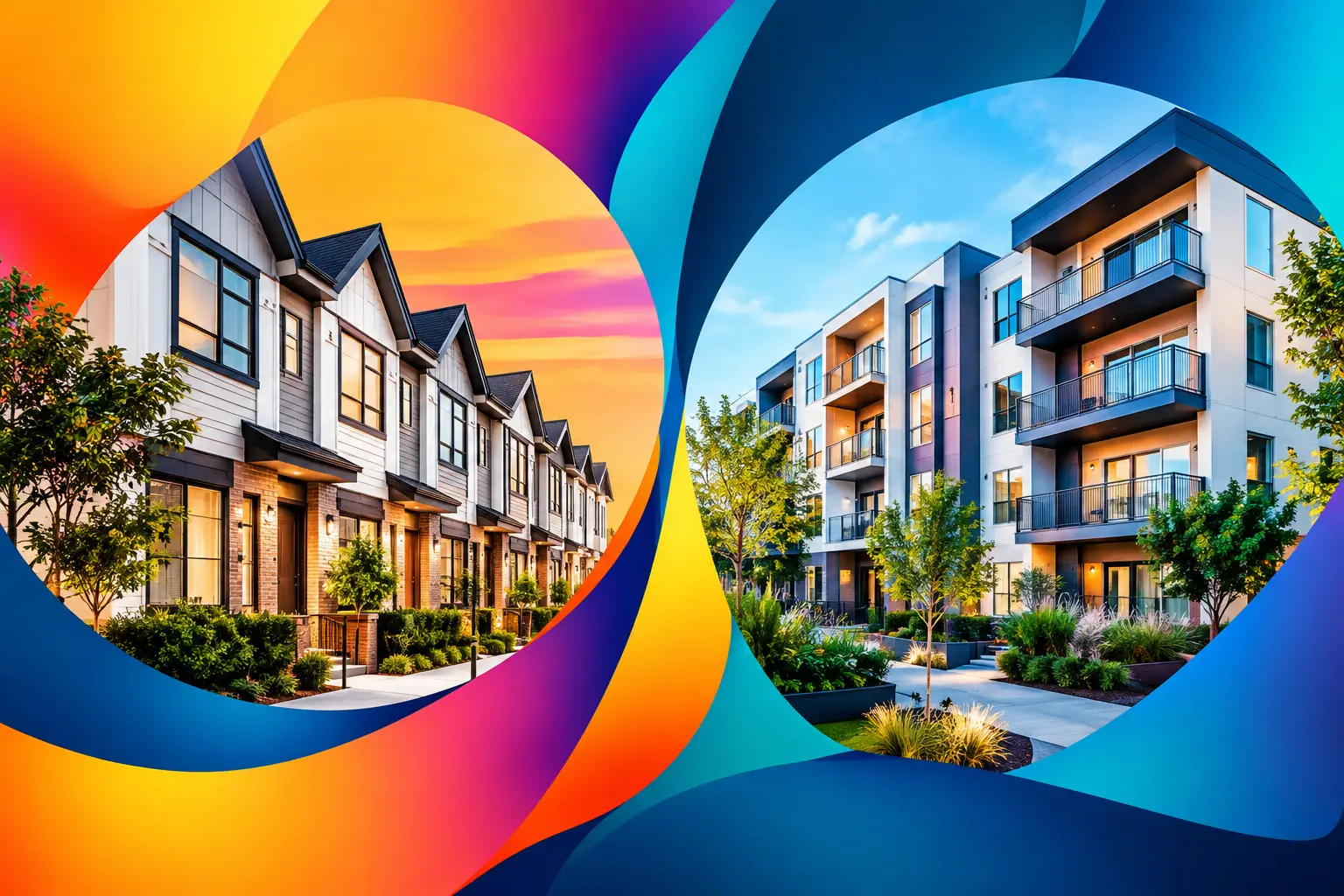
The difference between a townhome versus apartment often becomes clear on an ordinary weekday: where you park after work, whether the dog has a place to run, and whether there is room to close a door for a video call. Both can offer a convenient rental lifestyle, but they support daily routines in very different ways. For households in South San Antonio that need more room without the commitment of buying, a townhome may feel like a meaningful step up from a conventional apartment.
The right choice depends on more than monthly rent. Think about how much space your household needs now, how long you expect to stay, and which conveniences make your day easier. A smaller apartment can be a smart fit for simplicity and location. A rental townhome can make more sense when privacy, bedrooms, storage, parking, and outdoor space have become priorities.
Townhome Versus Apartment: The Everyday Difference
An apartment is typically one home within a larger building or connected community. You may share hallways, stairwells, parking areas, walls, floors, or ceilings with neighboring homes. Apartment living can be efficient, especially for renters who want a compact floor plan and easy access to shared amenities.
A townhome is also a rental home within a community, but it generally has a more residential layout. Townhomes commonly offer private entrances, multiple levels or a wider single-story design, and attached walls only on one or two sides. Many include features that are less common in traditional apartments, such as an attached garage, private yard, patio, and in-home laundry.
Neither option is automatically better. The practical question is whether your current apartment-style setup still supports the way you live. If every closet feels full, parking is a daily frustration, or your living room has to serve as office, playroom, and guest space, more square footage can change the experience of coming home.
Space That Works for Real Life
Square footage matters, but layout matters just as much. Apartments can be a great choice for one person, a couple, or anyone who prefers less to furnish and maintain. A well-designed one- or two-bedroom apartment can keep everyday living simple.
For larger households, a three- or four-bedroom townhome creates more useful separation. One room can become a dedicated office instead of a desk beside the couch. Children can have room to sleep, study, and play without turning shared living areas into storage. Guests can stay over without displacing everyone else.
Open-concept townhome interiors can also make entertaining more comfortable. Preparing dinner, helping with homework, and talking with friends do not have to happen in a cramped kitchen or a single multipurpose room. Granite countertops, ample cabinet space, and a full-size washer and dryer may sound like small upgrades, but they reduce the friction of busy weeks.
Consider Storage Before You Sign
Storage is easy to overlook during a quick tour. Ask where seasonal items, sports equipment, strollers, tools, pet supplies, and bulk household purchases will go. In a smaller apartment, those belongings often end up in closets, on balconies, or in the main living area.
A townhome with a two-car garage provides flexibility that goes beyond vehicle parking. Depending on community policies and your needs, it can help keep everyday gear organized and protected from the Texas weather. More built-in storage can also mean less need for an off-site storage unit.
Privacy, Noise, and Your Own Outdoor Space
Apartment communities vary widely, but shared hallways and neighbors above or below can affect privacy. You may hear footsteps overhead, pass other residents frequently at your front door, or need to work around common-area traffic. For some renters, that sense of activity is part of apartment living. For others, it becomes tiring over time.
Townhomes often offer a quieter, more independent feel. A private entry means you are not walking through an interior corridor to reach home. With no neighbor above you in many townhome layouts, there can be fewer concerns about overhead noise. The extra separation is especially valuable for remote workers, light sleepers, families with different schedules, and anyone who wants a home that feels more personal.
A private fenced yard is another major distinction. Apartment patios and balconies can offer fresh air, but they rarely replace a secure outdoor area of your own. A yard gives children a place to play close to home, creates a more comfortable routine for pets, and makes it easier to enjoy a quiet morning or a weekend cookout. A covered patio adds shade when South Texas temperatures rise.
Parking and the Commute Home
Parking can shape your rental experience more than expected. In a typical apartment setting, residents may park in open lots, search for spaces after peak hours, or carry groceries across a parking area. Assigned parking and garages are available at some communities, but they are not always standard.
A townhome with a two-car garage brings a different level of convenience. You can pull in, unload directly at home, and keep vehicles out of sun, rain, and hail. It can also make early-morning commutes and late returns feel more secure and straightforward.
For households with two drivers, teenagers approaching driving age, or frequent visitors, confirm the available parking arrangement before applying. Ask about garage access, driveway use, guest parking, and any vehicle restrictions. The best rental is one that works not just at move-in, but on the busiest days of the year.
Maintenance: Renting Without Giving Up the Home Feel
Buying a house offers control, but it also places repair costs, yard work, and maintenance scheduling on the owner. Renting a townhome can provide a useful middle ground. You gain many of the features associated with a private home while retaining access to a professional management team for maintenance needs.
That convenience is worth comparing carefully. Whether you choose a townhome or apartment, ask how maintenance requests are submitted, what qualifies as an emergency, and how residents receive updates. Online rent payments, digital maintenance access, and straightforward communication can make a real difference when life is already full.
A professionally managed townhome community also removes many of the unknowns that can come with renting a house from an individual owner. You can tour a defined floor plan, understand the community rules, and know where to turn when an issue arises. At Palo Alto Villas, that managed approach is paired with townhome features such as private yards, garages, in-home washers and dryers, and gated entry.
Security and Community Feel
Security means different things to different renters. For some, it is well-lit parking and responsive management. For others, it includes controlled access, a private garage, or the reassurance of living in a neighborhood-style setting rather than a large building with frequent foot traffic.
Gated entry with smartphone-controlled access can add a practical layer of convenience while making arrivals easier to manage. Private entrances also give residents more control over their immediate space. These features do not eliminate the need for normal safety habits, but they can support greater peace of mind.
Community matters, too. An apartment community may offer a more social, active atmosphere with shared spaces and frequent encounters. A townhome neighborhood can feel more residential, with room to greet neighbors while still returning to a private home, yard, and patio at the end of the day.
Budget Beyond the Advertised Rent
A townhome may carry a higher monthly rent than a smaller apartment, particularly when it includes three or four bedrooms, a garage, and a yard. That higher number should be evaluated in context. More bedrooms may reduce the need to move again soon. A garage may replace some storage costs. In-home laundry can save time and trips to a shared laundry room. A fenced yard can make pet routines easier without relying on repeated walks to a communal relief area.
At the same time, do not assume every townhome is the better value. Review the full monthly picture: rent, utilities, pet fees, deposits, renters insurance, parking fees, and any amenity or service charges. Consider your commuting costs as well. A home that fits your work routes, schools, grocery runs, and regular destinations can save time every week.
Questions to Ask During a Tour
Before choosing between a townhome and an apartment, picture a normal Tuesday rather than a polished model home. Where will everyone work, sleep, eat, park, and put their belongings? Can your pet comfortably follow its routine? Is there enough room for a family visit or a new baby? Will the layout still work if your household changes over the next year or two?
During your tour, pay attention to sound between homes, natural light, closet space, kitchen work areas, internet availability, and the path from parking to the front door. Ask to see the actual floor plan whenever possible. A virtual tour and online application can make the process more convenient, but an in-person visit helps you understand how the home feels.
The best rental is not the one with the longest amenity list. It is the one that makes your everyday life feel less crowded, less complicated, and more comfortably your own.